The realm of surgery has been remarkably transformed by robotic surgery, intertwining modern computer advancements with surgical finesse. Instead of solely the manual prowess of surgeons, the focus shifts to robotic precision. This modality gifts surgeons with an unrivaled HD, 3D visualization of the surgical zone. One standout attribute is its potential for tinier cuts than its traditional counterparts. This paves the way for benefits such as rapid patient recovery and significant reduction in pain after the surgery, making it the go-to for several meticulous surgical endeavors.
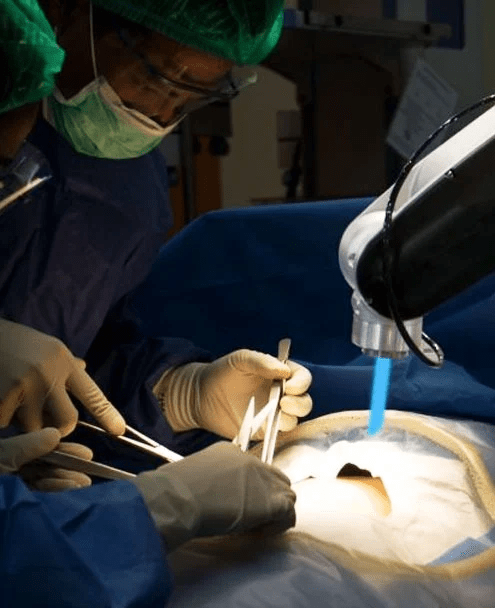
While the term suggests robots, robotic surgery does not replace human surgeons. It acts as a supportive tool, elevating the expertise of the surgeon. During the operation, the surgeon remains at a specialized console, drawing a magnified visualization of the surgery spot. They guide the robot's operations with impeccable accuracy. The robotic limbs serve as an extension of the surgeon, echoing their actions with added stability and an amplified range. Simultaneously, the endoscopic camera provides a vibrant and comprehensive image, influencing the surgeon's choices.
Robotic Surgery at Medical Arts Surgical GroupRobotic surgery's application isn't restricted to one specific medical arena. Due to its adaptable nature and efficiency, it's been embraced by multiple medical fields. Urologists, as an example, regularly resort to robotic aid for procedures like prostatectomies. In the gynecological sphere, it's chosen for sophisticated surgeries, including hysterectomies, because of the accuracy it ensures. Cardiology specialists see its potential, especially in detailed heart surgeries. Orthopedic surgeons, too, value this technology, especially for precision-demanding surgeries such as joint and spine operations.
The prospects of robotic surgery are exciting, signaling major shifts in the surgical world. As technology keeps advancing, it's anticipated that surgical robots will reach greater heights of precision and efficiency. An intriguing future shift is the convergence of robotic surgery and AI, which could lead to real-time data analytics during surgeries, sharpening the decision-making of surgeons. With its increasing acceptance, the costs tied to robotic surgeries are expected to decrease, opening doors for a larger patient community. Training structures will undergo transformation, focusing on imparting skills in robotic techniques to upcoming surgeons. A pivotal capability of robotic surgery is its capacity to overcome distance limitations, envisioning surgeons operating from remote locations using robotic aids, democratizing access to elite surgical expertise.